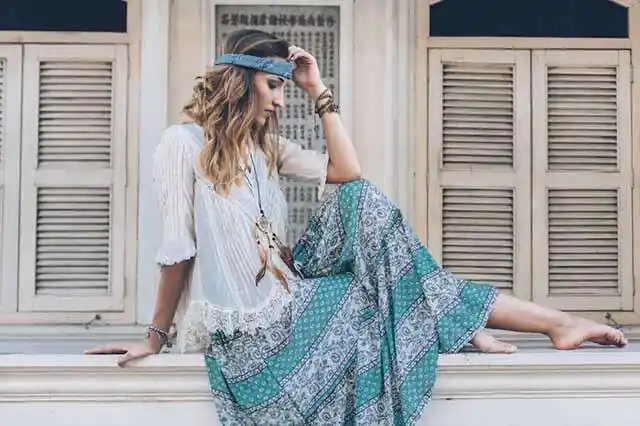
I still remember the exact moment I fell hard for bohemian fashion. It was a dusty flea market in Lisbon a few summers back. I tried on this oversized, patchwork tunic that smelled faintly of patchouli and felt like wearing a hug from the universe. Suddenly, the restrictive blazers and skinny jeans in my suitcase seemed ridiculous. That one piece sparked a love affair with flowy fabrics, layered looks, and unapologetic self-expression that’s stuck with me ever since. Bohemian fashion style isn’t just clothes—it’s a mindset. It whispers freedom, creativity, and a quiet rebellion against anything too polished or predictable. Today, we call its polished cousin boho-chic, but the roots run deep and wild. Let’s wander through its story together, from dusty Parisian attics to modern runways, and figure out how to make it yours without looking like you raided a costume shop.
The Roots of Bohemian Fashion in 19th Century Europe
The term “bohemian” didn’t start as a fashion label at all. It popped up in France around the late 1700s and early 1800s, right after the French Revolution shook up society. Artists, writers, and free thinkers in Paris’s Latin Quarter rejected the stiff bourgeois rules of the day. They lived hand-to-mouth in tiny studios, drank cheap wine, and dressed however they pleased. The word itself came from “Bohémien,” a French label for the Romani people who wandered through Europe. Folks mistakenly thought these nomads hailed from Bohemia in the Czech lands, so the name stuck. What began as a slur for outsiders became a badge of honor for anyone choosing art over convention.
The Misunderstood Romani Connection
That Romani influence runs like a colorful thread through early bohemian style. Think bright skirts, layered shawls, coin jewelry, and a general “I just arrived from somewhere exotic” vibe. It wasn’t appropriation in the modern sense—it was survival and celebration of mobility. Romani women’s practical, vibrant clothing inspired Parisian creatives who wanted to break free from corsets and petticoats. Historians note how this nomadic aesthetic symbolized independence long before hashtags turned it into #BohoVibes. Without that foundation, we wouldn’t have the flowing silhouettes we adore today.
Bohemian Style Takes Shape in Paris’s Artistic Circles
By the mid-1800s, the look solidified in Paris. Painters like Henri Murger captured it in stories that later inspired Puccini’s opera La Bohème. Women known as grisettes—seamstresses and models who mingled with artists—wore loose blouses, full skirts, and flowers in their hair. It was practical for studio life and defiant against high society’s whalebone cages. Pre-Raphaelite artists in England, like Dante Gabriel Rossetti, amplified the romantic side with models in unstructured gowns that celebrated natural beauty over perfection.
Pre-Raphaelite Influences on Flowing Silhouettes
Jane Morris, Rossetti’s muse, became the poster girl for early boho. Her long, loose hair and medieval-inspired dresses rejected the tiny waists and heavy fabrics of Victorian fashion. That rejection of structure planted the seed for everything from 1960s maxis to today’s tiered skirts. It wasn’t just pretty—it was political, a quiet stand for comfort and individuality when women had few rights.
The 1960s Counterculture Explosion
Fast-forward to the 1960s, and bohemian style exploded into the mainstream via the hippie movement. Vietnam War protests, civil rights marches, and a hunger for peace and love sent young people fleeing to communes and festivals. They mixed global treasures—Indian block prints, Mexican embroidery, Moroccan caftans—with secondhand finds. Natural fabrics like cotton and linen replaced synthetics. The goal? Dress like you lived off the land and loved everyone equally.
Woodstock and the Hippie Fashion Moment
Woodstock in 1969 crystallized it. Muddy fields filled with bell-bottoms, fringe vests, headbands, and bare feet. Stevie Nicks later turned the look into rock royalty with her witchy layers and lace. It wasn’t polished; it was lived-in, a little messy, and completely liberating. That era taught us bohemian style thrives when it feels authentic rather than costume-y.
From Hippie to Boho-Chic: The 2000s Revival
The style quieted in the 1980s and 90s under power suits and grunge flannel, but it roared back as “boho-chic” around 2004. Suddenly, floaty skirts, cowboy boots, and oversized sunglasses dominated London streets and Los Angeles red carpets. Fast fashion made it accessible, but celebrities gave it glamour. It blended hippie ease with high-end touches—think a $2,000 embroidered tunic over jeans.
Celebrity Icons Who Shaped Boho-Chic
Sienna Miller became the face after her 2004 Glastonbury look—long white skirt, furry gilet, hobo bag. Kate Moss layered it with rock-edge cool. Mary-Kate and Ashley Olsen turned “homeless chic” into a billion-dollar aesthetic. Rachel Zoe styled clients like Nicole Richie in vintage boho for the red carpet. These women proved you could be bohemian and still book Vogue covers.
Key Elements That Define Boho-Chic Aesthetics Today
Modern boho-chic keeps the free-spirited heart but adds polish. Flowy maxi dresses meet structured blazers. Earthy tones mix with metallic accents. The magic happens in the details: lace insets, fringe that sways when you walk, and jewelry that tells a story. It feels effortless because it is—once you master the balance.
Fabrics and Textures That Make It Feel Alive
Linen, cotton, chiffon, and suede rule here. Nothing stiff or shiny. Layer a crochet cardigan over a silk slip dress and you instantly get that lived-in luxury. Suede jackets have surged in popularity for 2025 because they add texture without weight. The goal is movement—clothes that dance with you.
- Lightweight, breathable natural fibers
- Mixed textures (lace + denim + leather)
- Fringe, tassels, and embroidery for dimension
- Vintage or thrifted pieces for soul
Patterns, Prints, and the Signature Color Palette
Florals, paisleys, and geometric tribal prints never left. Earth tones—terracotta, olive, sand, and warm browns—dominate 2025 runways, but pops of turquoise or deep magenta keep it lively. Pattern mixing is encouraged, as long as one piece anchors the chaos (usually a neutral base).
How to Style Boho Chic for Everyday Life
Start simple. Pair a flowy peasant blouse with straight-leg jeans and ankle boots. Add a wide belt and layered necklaces. For work, swap the maxi for a midi skirt and throw a tailored blazer on top. The secret? One or two boho pieces per outfit. Overdo it and you risk looking like you’re heading to a Renaissance fair.
Building a Boho Wardrobe Without Breaking the Bank
Thrift stores and Etsy are goldmines for authentic pieces. Free People and Isabel Marant capture the vibe if you want new. Vintage markets offer one-of-a-kind finds that fast fashion can’t replicate. Invest in versatile staples like a suede jacket or embroidered tunic—they’ll last decades and pair with everything.
Pros and Cons of Embracing Bohemian Fashion Style
Bohemian style wins hearts for good reason, but it isn’t perfect for every occasion.
Pros:
- Ultimate comfort and freedom of movement
- Encourages creativity and self-expression
- Often uses sustainable, natural materials
- Timeless—pieces age beautifully
- Works across body types and ages
Cons:
- Can look sloppy if not balanced with structure
- Layering gets too warm in summer or bulky in winter
- Cultural sensitivity required with certain ethnic prints
- Harder to style for formal or corporate settings
- Accessories can feel overwhelming if overdone
Boho Chic vs Other Styles: Side-by-Side Comparison
| Aspect | Boho-Chic | Minimalist | Streetwear |
|---|---|---|---|
| Silhouette | Flowy, layered, relaxed | Clean lines, fitted | Oversized, athletic |
| Fabrics | Natural, textured, vintage | High-tech, smooth | Denim, technical |
| Color Palette | Earthy + vibrant pops | Neutrals only | Bold graphics |
| Accessories | Statement jewelry, fringe | Minimal or none | Caps, sneakers, chains |
| Vibe | Free-spirited, artistic | Calm, intentional | Urban, edgy |
Boho-chic stands out because it invites storytelling through your clothes rather than following strict rules.
Sustainable Side of Modern Boho Fashion
Today’s boho leans heavily into eco-conscious choices. Linen and organic cotton reduce environmental impact. Many indie brands use deadstock fabrics or fair-trade embroidery. When you buy vintage or support ethical labels, you’re honoring the original nomadic spirit—less consumption, more connection to the earth.
Boho Fashion Trends Shaping 2025
Runways at Chloé and Isabel Marant show suede everywhere, lace-trimmed everything, and wide-leg jeans tucked into boots. Fringe is back but refined—think subtle hem details instead of full-on festival overload. Sheer layers over solid bases create that dreamy, ethereal feel while staying practical. Expect more artisanal touches like hand-beaded belts and raffia bags.
People Also Ask About Bohemian Fashion Style
What is the difference between bohemian and boho-chic?
Bohemian refers to the original free-spirited, artistic lifestyle and its raw aesthetic. Boho-chic is the commercial, polished version that hit peak popularity in the mid-2000s and keeps evolving with luxury twists.
How do I wear boho chic without looking too youthful or costume-like?
Focus on quality over quantity. Choose one hero piece (like a flowy dress) and ground it with modern basics—tailored pants, leather jacket, or sleek boots. Neutral colors and good fit prevent the “thrown together” trap.
Where did bohemian style actually originate?
It traces back to 19th-century Paris artists who borrowed from Romani nomadic dress. The lifestyle aspect grew from post-Revolution rejection of social norms.
Is boho fashion still trending in 2025?
Absolutely. It’s refreshed with sustainable fabrics, suede, and mixed tailoring. Designers are giving it a sophisticated edge that feels fresh rather than retro.
Where can I buy authentic boho pieces online?
Free People for accessible boho-chic, Etsy for handmade and vintage, and smaller ethical brands like those on Not On The High Street for unique artisan finds.
FAQ: Your Burning Questions Answered
How can beginners start with bohemian fashion without a full closet overhaul?
Add one boho element at a time—a scarf, belt, or pair of statement earrings. Build slowly so it feels like you, not a trend you’re forcing.
Does boho style work for professional environments?
Yes, with tweaks. A tailored boho blouse under a blazer or a midi skirt with loafers keeps the spirit while respecting dress codes. Confidence sells it.
What makes boho-chic different from hippie fashion?
Hippie was raw rebellion in the 60s and 70s. Boho-chic adds polish, luxury fabrics, and intentional styling for today’s lifestyle.
Can men pull off bohemian style too?
Of course! Think loose linen shirts, embroidered vests, wide-leg pants, and leather accessories. It’s about relaxed confidence, not gender.
Is bohemian fashion sustainable long-term?
When you choose timeless, high-quality pieces over fast-fashion knockoffs, yes. The style rewards investment in natural materials that last and age gracefully.
Bohemian fashion style has survived revolutions, wars, and countless trend cycles because it speaks to something universal: the desire to feel free in your own skin. Whether you’re channeling 19th-century Paris rebels or 2025 runway elegance, the real magic happens when your clothes tell your story. Grab that flowy skirt, layer on the jewelry, and step out like the artist you are. The world could use more color, more movement, and a whole lot more soul. What’s one boho piece you’re dying to try next?